
The Rise of Digital Assessment
October: The Rise of Digital Assessment
As with many aspects of our daily professional lives, there has been a marked rise in the presence of technology in the field of school psychology. One key area is in the use of digital assessment. This month, we take a look at the primary reasons in the “What Will School Psychology Look Like in 2035?” series.
Accuracy. One of the most prevailing reasons is accuracy. Research highlights the reduction of administration and scoring errors—as with digital assessment the scores are calculated automatically and without error. Items are always presented in the correct sequence and according to established starting/ending points and basal and ceiling rules. Such precision allows a high degree of confidence in assessment.
Efficiency. In the busy life of a school psychologist, efficiency matters. Technology-based tools are more likely to automate time-consuming tasks such as test administration, scoring, and analysis of results. A recent paper in Contemporary School Psychology points out that this can allow school psychologists to spend less time on administrative and procedural demands and more time on tasks like interpreting results, working together with schools and families, and providing that all-important direct support to students.
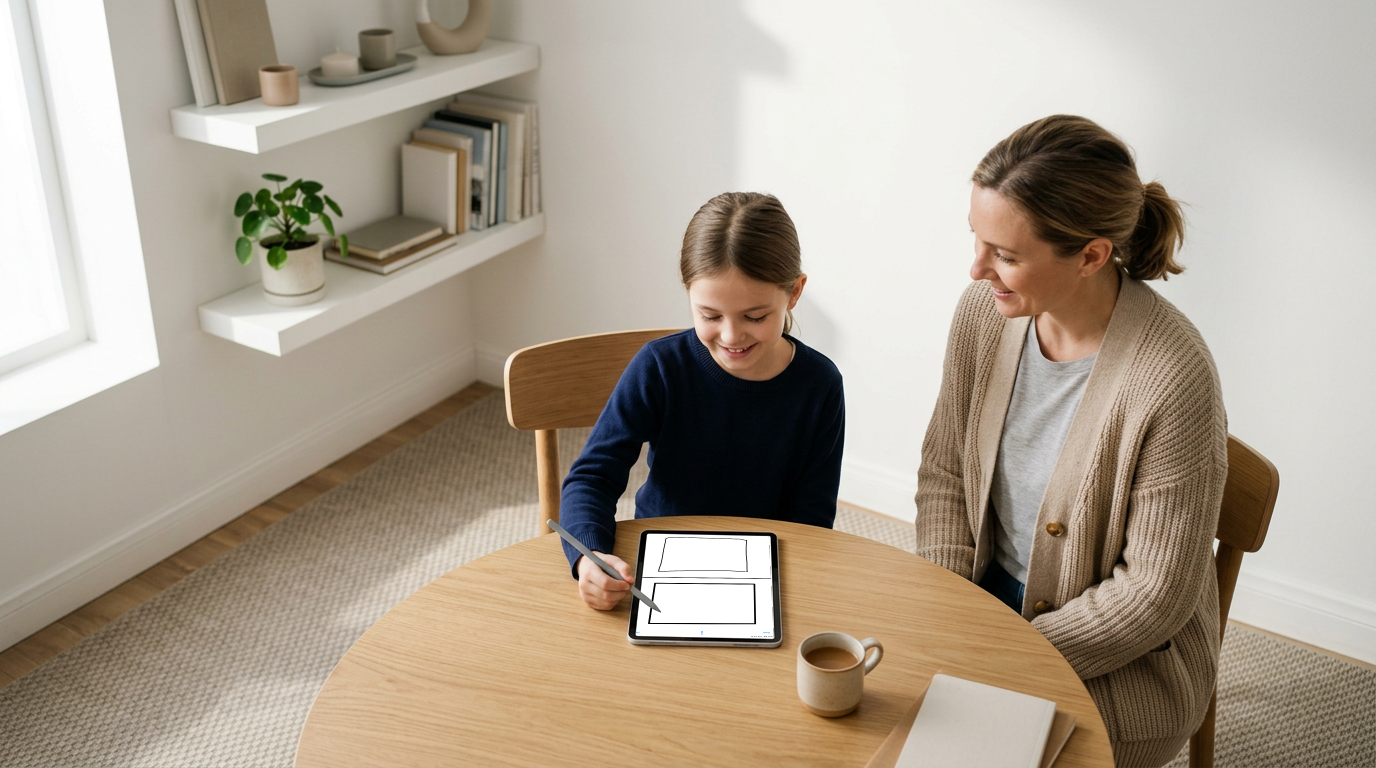
Examinee Experience. The individuals school psychologists work with are primarily those with early digital exposure and a natural comfort with such experiences. After all, the first digital natives are now approaching 30 years of age! Research finds that students don’t just feel okay with digital assessment; when done well, they prefer it. Assessment platforms that reduce testing time, along with being intuitive and easy to use, are clear winners in the digital assessment landscape.
The future of school psychology will go hand-in-hand with technologies such as digital assessment. This is why the school and educational psychologists behind Psymark are on a mission to create technology that brings the best practices around accuracy, efficiency, and a great examinee experience to the forefront. And after all, when it comes to our work as school psychologists, we are all striving for a journey where you have the utmost confidence in your assessment and more precious time to connect with students, educators, and families.
Speaking of time, next month we will take an even deeper dive into technology that saves school psychologists time.
References
Krach, S. K., & Corcoran, S. (2024). Will computers replace school psychologists? An analysis of tech-based tools for assessment, consultation, and counseling. Contemporary School Psychology, 28(4), 496-508.
Tarun, I. M. (2026). Beyond paper and pencil: Evaluating the effectiveness and user perception of a digital reading proficiency assessment platform. International Journal of Advanced Computer Science & Applications, 17(4), 410.
Young, S. R., Maddocks, D. L., & Caemmerer, J. M. (2022). Computer-enhanced practice: The benefits of computer-assisted assessment in applied clinical practice. Professional Psychology: Research and Practice, 53(4), 387.
